
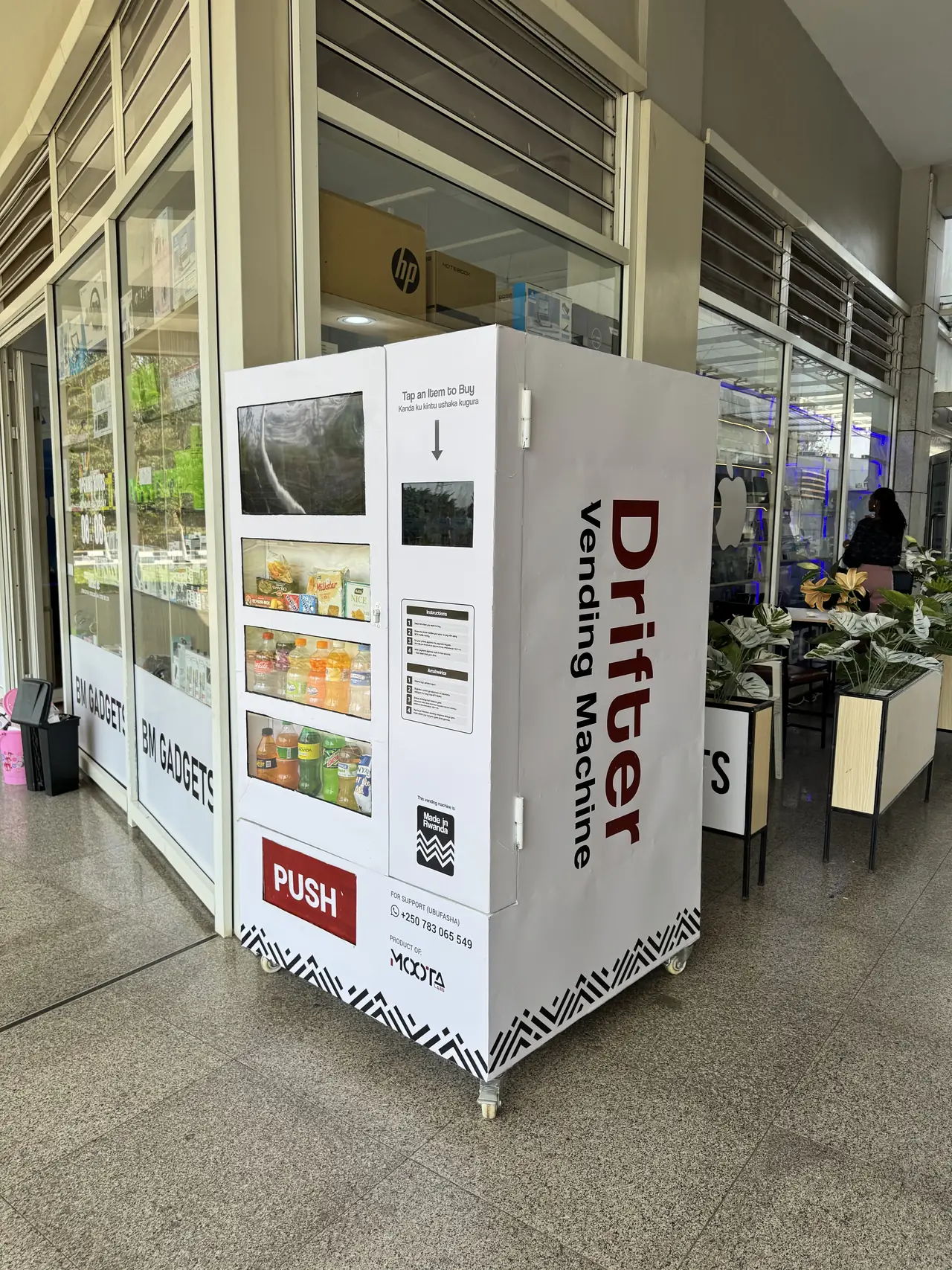
The characteristics of a good location
Start by observing behaviour rather than counting people. Are they there repeatedly? Do they have time to notice and use the machine? Do they need refreshments or essentials? Can they reach a staffed alternative just as easily?
The machine also needs reliable power, connectivity, security, ventilation where required and a route for restocking without disrupting the venue.
Offices and commercial buildings
Offices can provide repeat weekday users and predictable breaks. Product selection should match the workforce, operating hours and food options nearby. Shared commercial buildings may add visitors but require clear responsibility for access, cleaning and venue coordination.
Campuses and universities
Campuses combine recurring users, long days and demand outside staffed retail hours. Affordable price points, fast-moving drinks and snacks, timetable patterns and seasonal changes all matter. Machines should be placed along genuine daily routes rather than simply near an entrance.
Hospitals and health facilities
Hospitals may have long dwell times and operate beyond conventional shop hours. Product selection, hygiene, noise and placement must respect the environment. Any health-related product claims or storage requirements need proper review.
Factories and workplaces
Factories and shift-based workplaces can create concentrated demand around breaks and shift changes. Capacity and replenishment need to handle peaks. Placement must remain safe and should not obstruct operational movement.
Apartment buildings
Residential locations can support everyday essentials when nearby retail is inconvenient. Access control, security, noise, product choice and responsibility for the shared space are especially important.
Hotels
Hotels can use vending to extend access to drinks, snacks or selected essentials beyond staffed service. The offer should complement, not confuse, existing guest services and should match the expectations of the property.
Gyms
Gyms have a clear user context but a narrower product fit. Hydration and selected packaged goods may work; price, nutrition expectations and peak periods should be validated with the actual membership.
Transportation environments
Transport areas may provide high traffic, but the audience can be transient and in a hurry. Visibility, speed, security, access permissions, restocking and product price points become critical. A large crowd moving past quickly is not the same as a repeat workplace audience.
Validate before committing
Observe at different days and times, speak with the venue, map alternatives and estimate realistic transactions. Agree on electricity, access, promotion, venue fees and operating responsibilities in writing.
Moota Labs currently operates Drifter in business-centre and university environments in Kigali. We use those deployments to learn, but every new location still needs its own assessment.
This guide provides general commercial and operational information, not a promise of earnings or a substitute for evaluating a specific site and agreement.